Rotary International asks us to Serve to Change Lives through its Focus Areas
This month Rotary International asks us to Serve to Change Lives through Rotary Fellowship. Explore the possibilities with us at our meeting Wednesday at noon at Wick Park or virtually via Zoom.
There will be no noon meeting this week as we have the President’s Party at the Youngstown Country Club, June 24th, 6pm.
We have additional avenues for service in the upcoming weeks and encourage all Rotarians to step up to the challenges. Ignite the Night needs volunteers to work a 2hr shift between 4:30pm and 10:30pm on July 5th, please reach out to Ellie directly via email with your availability (eplatt79@gmail.com).
Warren Rotary Club also requires SIX volunteers to help support this baseball event at 6pm on July 4th for the Scrappers at 7/17 Credit Union Field, Eastwood. Please contact President Gerri ASAP if you can volunteer.
Our Little Free Libraries program needs support! Volunteers who are able to help install a few Little Libraries or act as Stewards and help support existing Libraries. Please reach out to Sharon Stringer if you’re interested in getting involved.
Youngstown Rotarians will be visiting Botswana next month to the Rose Charity Orphanage. They will be delivering supplies in person and we can purchase items via the Amazon Wish List before July 20.
Rotary Last Week
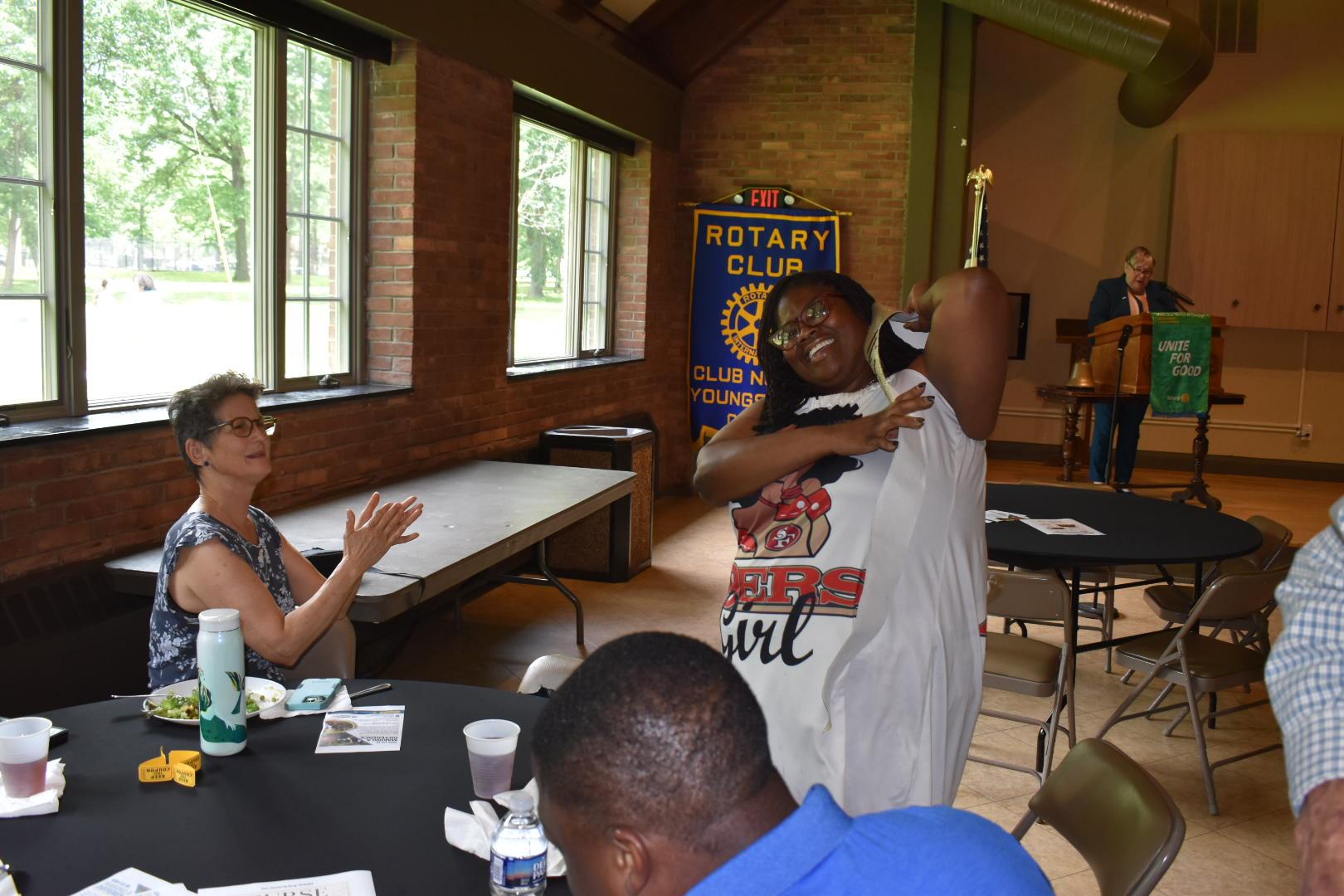
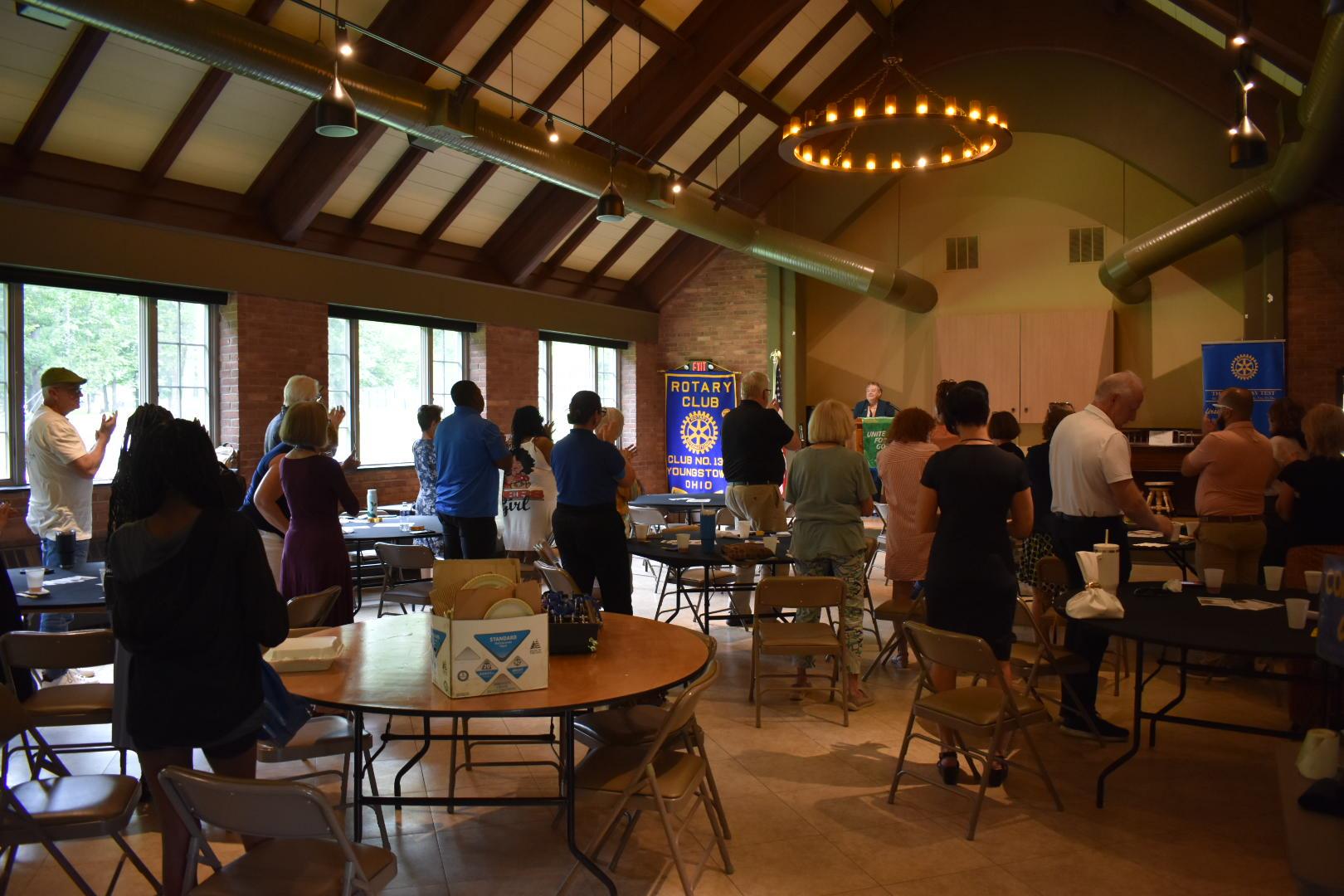
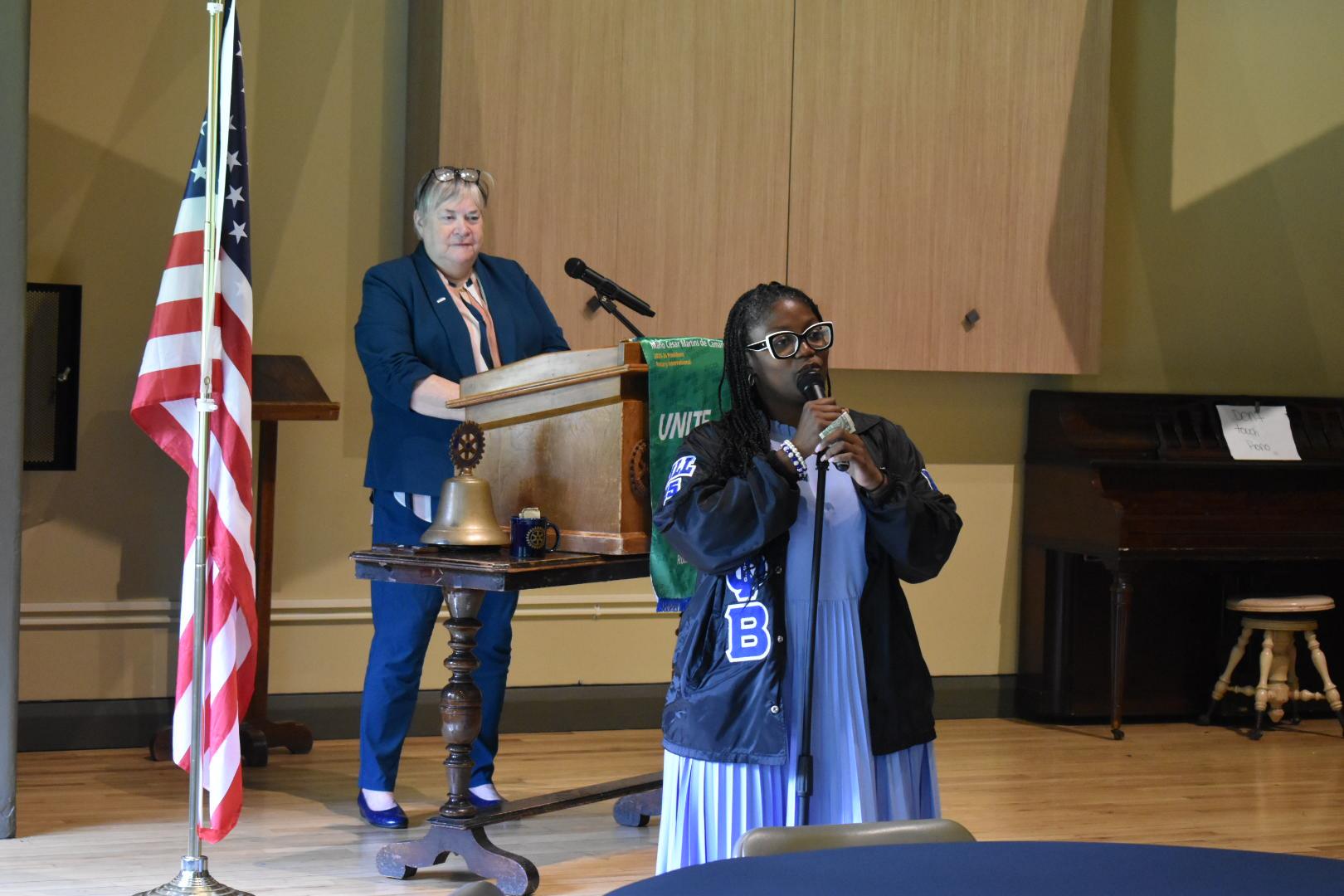
Last week was President Gerri’s final meeting as President of Youngstown Rotary. President Gerri reflected on the importance of Rotary fellowship and the value of shared knowledge among diverse members. During her term Gerri spoke of some particular highlights; Beerfest, Operation Warm, increased fellowship within the club, improved technological presence with both Social Media engagement and consistent Zoom meetings (aided by the new equipment and software purchase). Congratulations to President Gerri, this has been a wonderful year for Youngstown Rotary and we are all grateful for her service and excited for the year ahead with incumbent President Ellie Platt.
SAVE THE DATE
President Party for Gerri 6:00pm, June 24th, The Youngstown Country Club, 1402 Country Club Drive, Youngstown, OH 44505
River Duck Festival, 12pm, June 28th, Warren Amphitheater Perkins Park, 689 Perkins Dr NW, Warren, OH
Little Free Library Book Distribution, 9:15 - 11am, Potential Development Preschool, 880 E Indianola Ave, OH, 444502. (Drive to the back of the building)
Scrappers Baseball, 6pm, July 4th, 7/17 Credit Union Field, Eastwood
Ignite the Night, 5pm, July 5th, The Youngstown Foundation Amphitheater, 201 S Phelps St, Youngstown, OH 44503
LITTLE FREE LIBRARY
The Rotary Club of Youngstown continues to make literacy a priority through its growing Little Free Library project, an initiative that has placed books directly into neighborhoods across the Mahoning Valley. What began as a Centennial Celebration project has grown into an ongoing community effort focused on encouraging reading, sharing books, and building stronger neighborhood connections. There is something magical about these Little Libraries, and the stories of people whose lives have been changed by books they’ve read are heartwarming and inspiring. Planning for the project began during the presidency of Linda Kosta in 2020, when the club partnered with community organizations to build and install 34 Little Free Libraries throughout the Youngstown-Mahoning Valley area. The first library was dedicated at the Central YMCA and marked the beginning of what has become one of the club’s most visible literacy initiatives. Partners in the effort have included Ace Lumber, the City of Youngstown Parks & Recreation Department, SMARTS—Students Motivated by the Arts, The Public Library of Youngstown and Mahoning County, and the Central YMCA.
Today, Rotary members help oversee more than 50 Little Free Libraries. Before a library is gifted to the community, the club requires each location to have a dedicated steward responsible for monitoring the library and helping keep it stocked with books. Rotary members also collect and store donated books to support stewards when supplies run low.
In order for the project to continue to grow, the club is seeking additional volunteers to assist with installations and ongoing maintenance. Members with carpentry or handyman skills are especially needed to help repair and maintain the libraries. The Little Free Library project remains a meaningful example of Rotary’s commitment to literacy, service, and community engagement.
Thank you to our Little Free Library team who have been so busy organizing and distributing books across all the Little Free Libraries under our steward over the past few weeks. The Little Free Library committee has plans to meet over this summer so please reach out to Sharon Stringer, Elazyne Bozick, or Jessica Romeo if you would like to be of service to this committee.
The Mosquito Bucket Project
Mosquito season has arrived, and for many people that means reaching for broad-spectrum sprays or neighborhood fogging treatments. While these approaches may seem like a quick fix, they often impact far more than mosquitoes. Fogging can unintentionally harm caterpillars, fireflies, dragonflies, pollinators, and other beneficial wildlife. It may also expose children and pets to unnecessary chemicals.
Surprisingly, fogging is often not the most effective way to control mosquito populations.
A growing alternative is the Mosquito Bucket Challenge — a targeted, low-cost approach designed to reduce mosquitoes where people actually spend time outdoors while protecting the broader ecosystem.
The method works as part of a whole-yard strategy:
• Support healthy habitat by planting native species and avoiding unnecessary pesticide use. Healthy landscapes attract natural mosquito predators such as dragonflies, birds, and bats.
• Make a mosquito bucket to target mosquito larvae before they become biting adults.
• Dump standing water from containers, gutters, flowerpot saucers, and other places where mosquitoes breed.
• Treat water you cannot dump using mosquito dunks in birdbaths, rain barrels, and ponds.
• Protect yourself with screens, fans, repellents, and appropriate clothing when needed.
• Encourage neighbors to participate, since mosquito management works best at the community level.
So what exactly is a mosquito bucket?
It’s a simple bucket filled with water, organic material, and a mosquito dunk containing Bti (a naturally occurring bacteria that targets mosquito larvae). The bucket attracts mosquitoes to lay eggs, but prevents larvae from developing into biting adults.
The goal isn’t to eliminate every mosquito — it’s to reduce nuisance biting while supporting a healthier, more balanced backyard ecosystem.
Elayne has Mosquito Bucket Stickers and instructions available for $5.00, email her directly to participate: emsbozick@gmail.com