Rotary International asks us to Serve to Change Lives through its Focus Areas
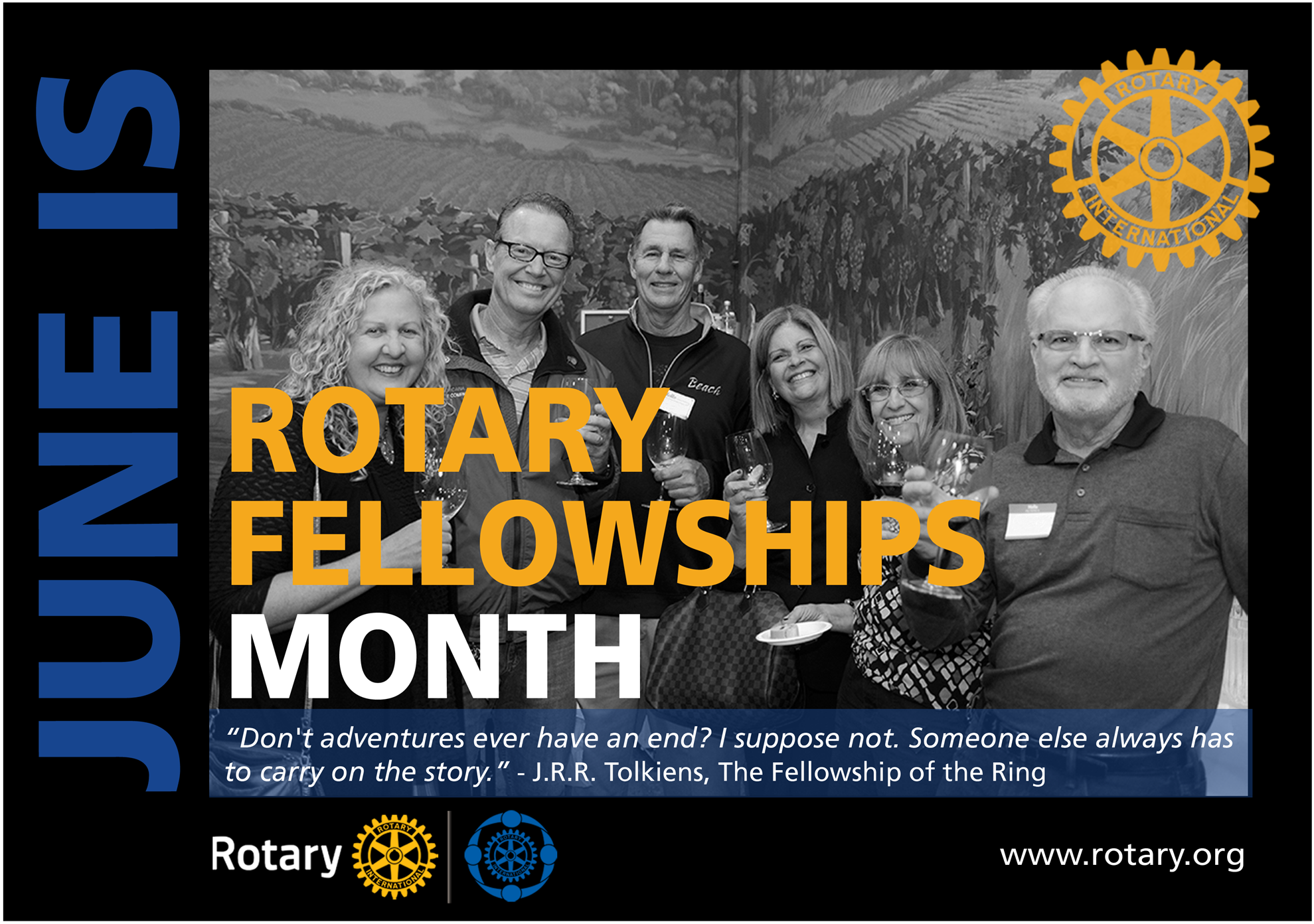
This month Rotary International asks us to Serve to Change Lives through Rotary Fellowship. Explore the possibilities with us at our meeting Wednesday at noon at Wick Park or virtually via Zoom.
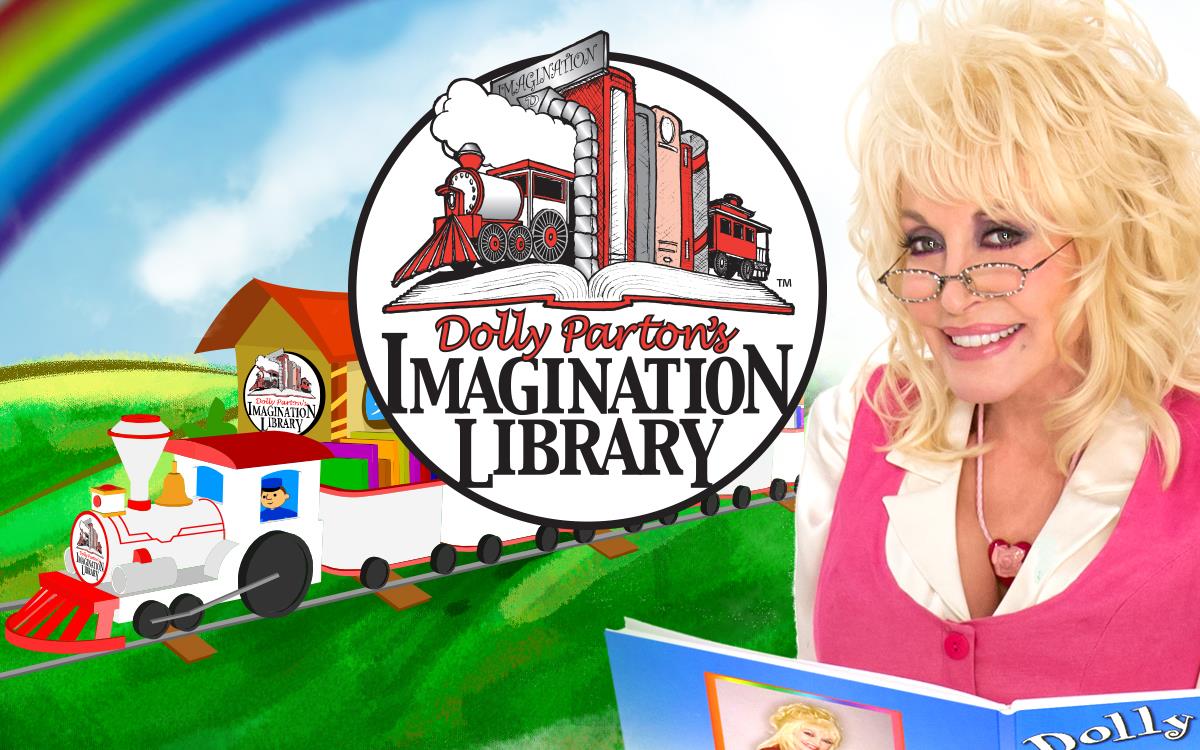
This week, we’re pleased to welcome Kathy Mock from United Way and Molly Bevin with Public Library of Youngstown and Mahoning County. They will share more about the Dolly Parton Imagination Library, a literacy initiative that was selected as Rotary District 6650’s special project for 2025–2026. The program helps foster a love of reading by providing young children with free, age-appropriate books delivered directly to their homes.
Join us to learn more about the impact of this important initiative, its role in supporting early childhood literacy, and how Rotary is helping bring the joy of books to children throughout our communities.
This week’s menu Chicken Romano, Pasta Ala Vodka, Italian Greens, Garlic Bread, Vegetarian Option, Salad
Rotary Last Week
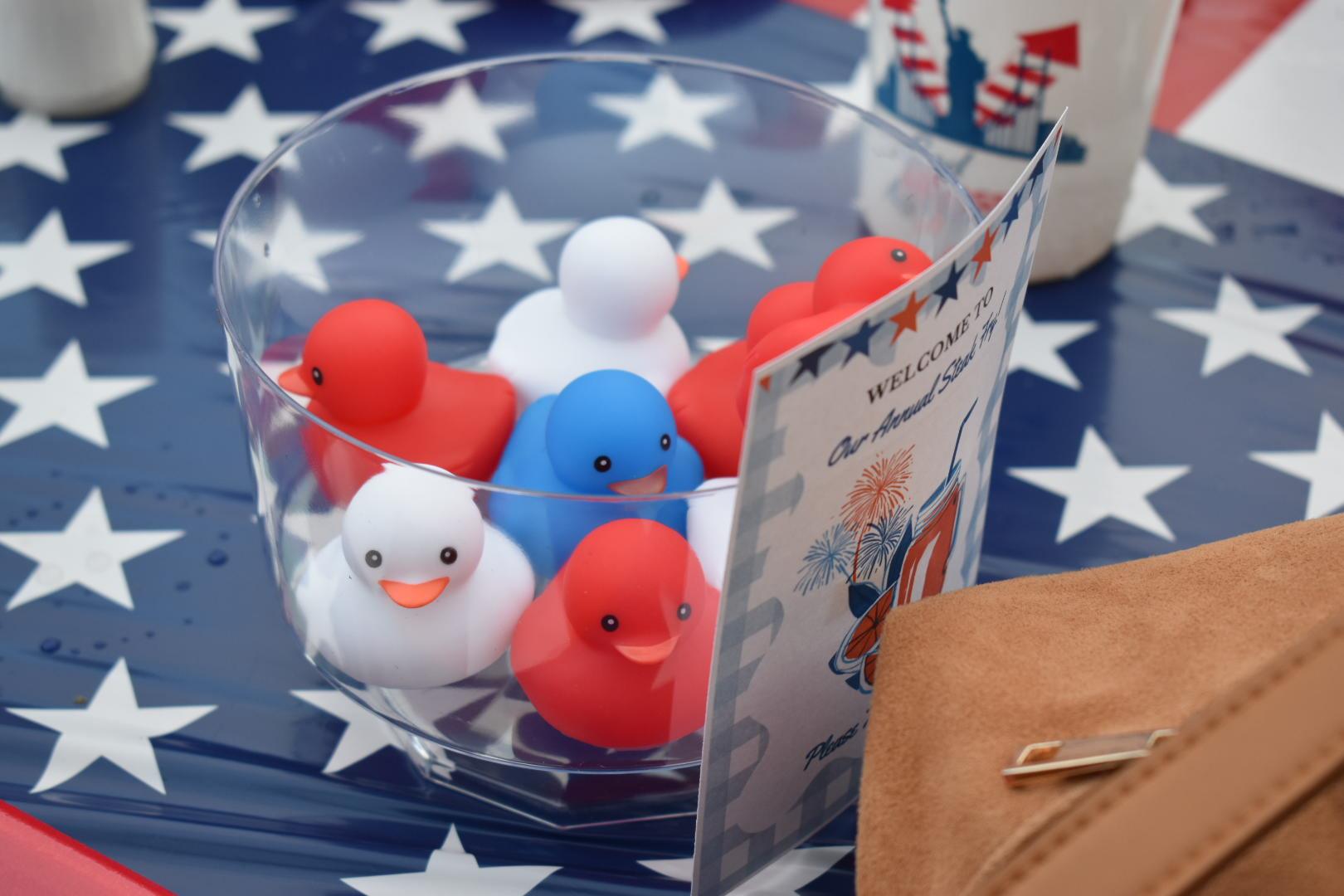
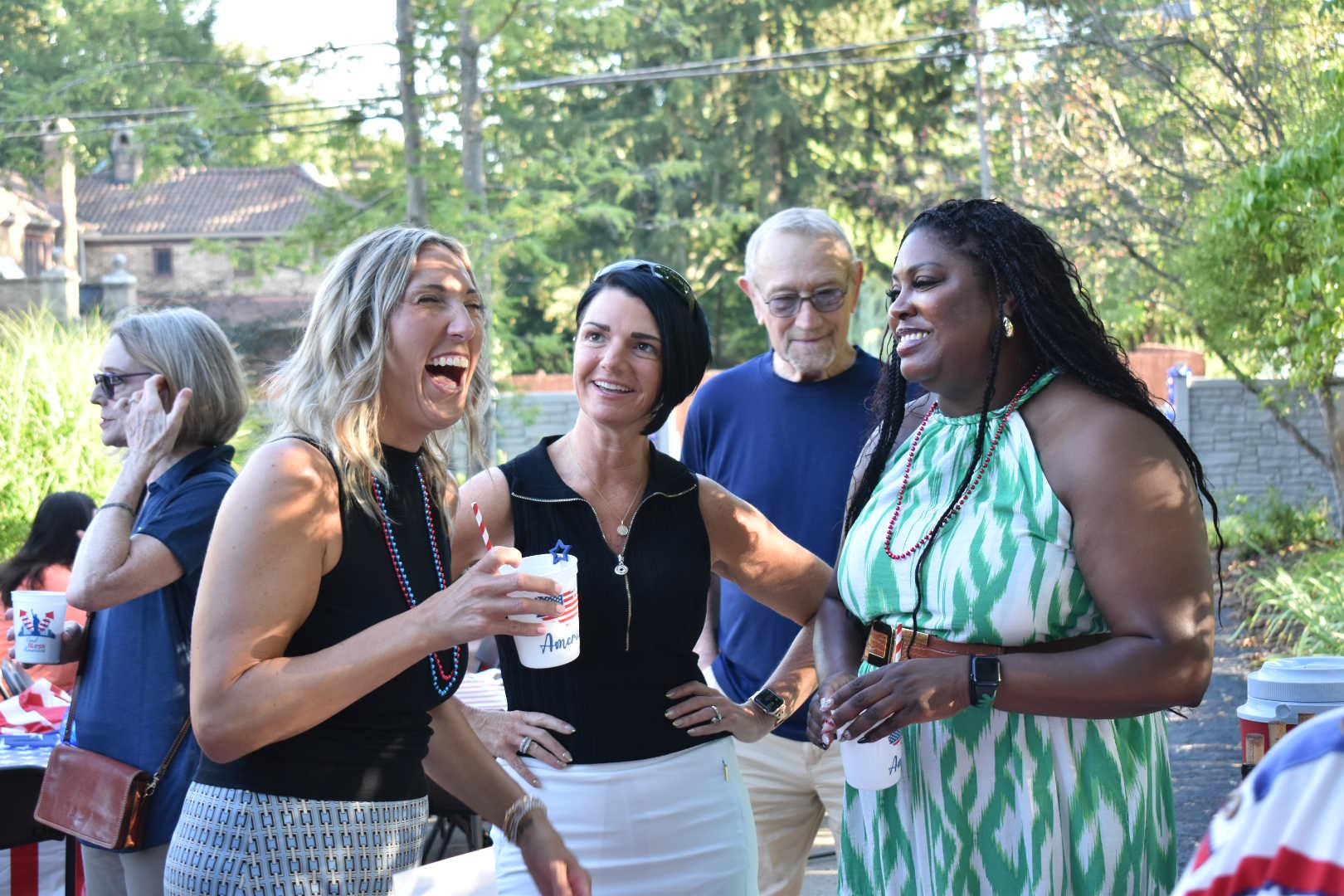
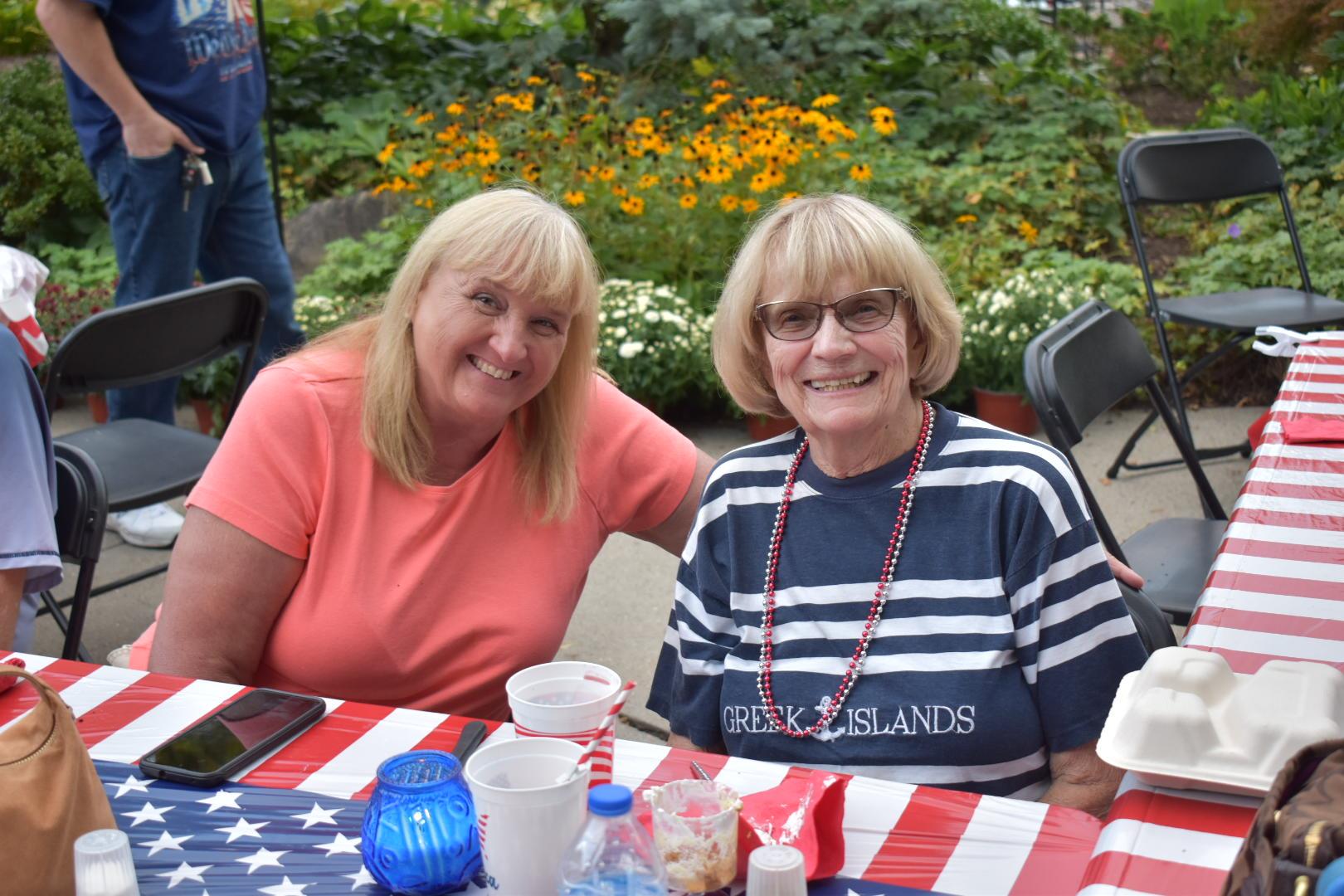
Last week the Rotary Steak Fry was a huge success, with wonderful weather, delicious food, and socializing between new and longtime members. Thank you to Scott Schulick and Ana Torres for their wonderful work organizing the event.
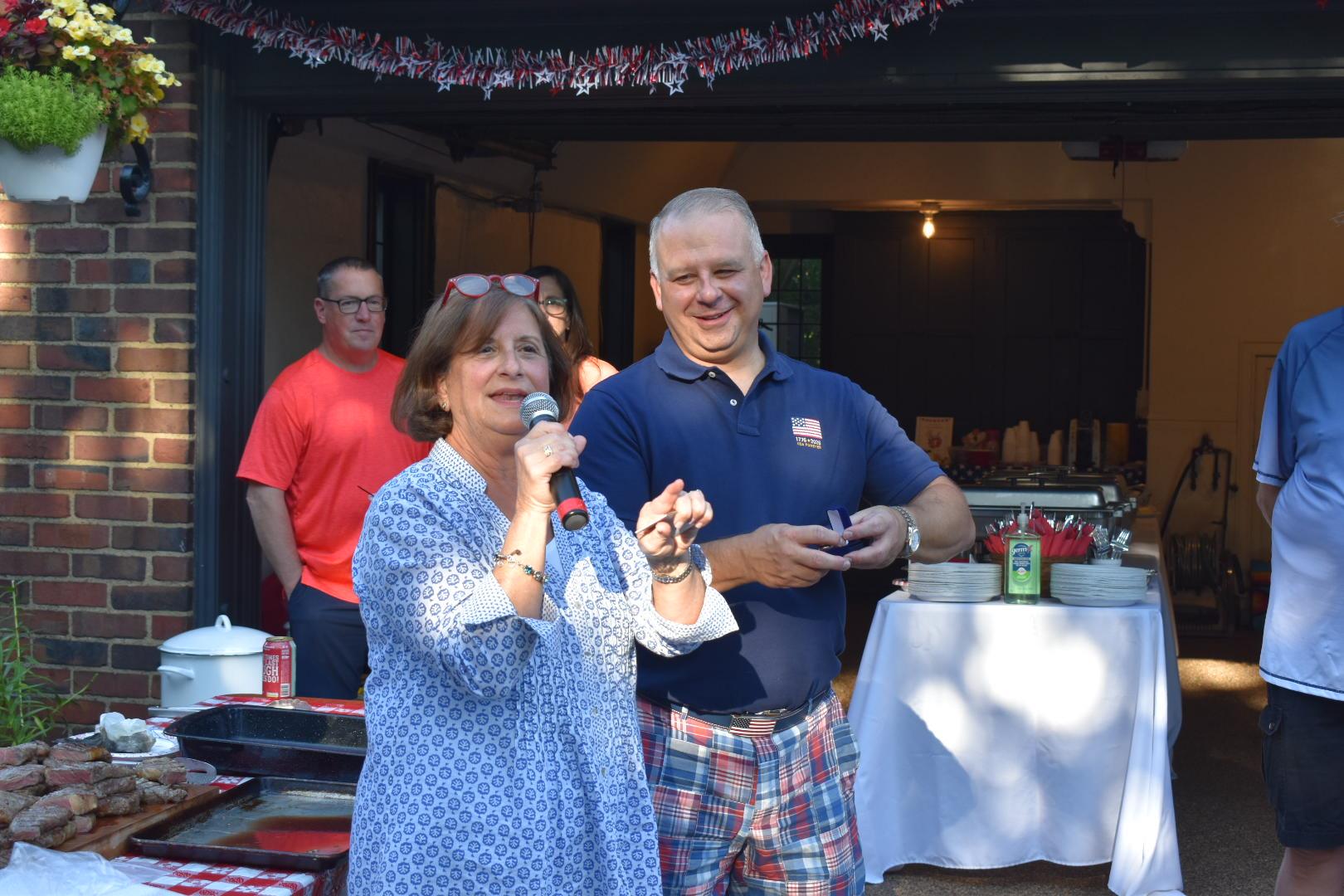
Congratulations to Scott Schulick on becoming a Major Donor Level 2 in Rotary International. Major Donor Level 2 in Rotary International represents cumulative personal contributions totaling between $25,000 and $49,999 to The Rotary Foundation. Level II recognition includes a special Rotary Foundation crystal piece and a pin/pendant featuring two diamonds (or crystals reflecting the tier) to signify the specific Major Donor level. Scott was presented these by our Rotary Foundation Chair at our recent Steak Fry Event at Scott’s home. This tier marks substantial, high-impact personal investment in The Rotary Foundation, supporting global grants, the Annual Fund, PolioPlus, or the Endowment Fund.
SAVE THE DATE
Membership Committee Meeting, September 17, 5:30 p.m. - 7:00 p.m, Noble Creature Wild Ales & Lagers, 126 E Rayen Ave, Youngstown, OH 44503
Communication Committee Meeting, September 25, 4:45 p.m. - 6:00 p.m, Avalon Pizza, 17 W Federal St, Youngstown, OH 44503
Unlike most other insects in temperate climates, monarch butterflies cannot survive a long cold winter. Instead, they spend the winter in roosting spots. monarchs west of the Rocky Mountains travel to small groves of trees along the California coast. Those east of the Rocky Mountains fly farther south to the forests high in the mountains of Mexico. The monarch's migration is driven by seasonal changes. Daylength and temperature changes influence the movement of the monarch.
In all the world, no butterflies migrate like the monarchs of North America. They travel much farther than all other tropical butterflies, up to three thousand miles. They are the only butterflies to make such a long, two way migration every year. Amazingly, they fly in masses to the same winter roosts, often to the exact same trees. Their migration is more the type we expect from birds or whales. However, unlike birds and whales, individuals only make the round-trip once. It is their children's grandchildren that return south the following fall.
Some other species of Lepidoptera (butterflies and moths) travel long distances, but they generally go in one direction only, often following food. This one-way movement is properly called emigration. In tropical lands, butterflies do migrate back and forth as the seasons change. At the beginning of the dry season, the food plants shrivel and the butterflies leave to find a moister climate. When the rains arrive, the food plants grow back and the butterflies return.
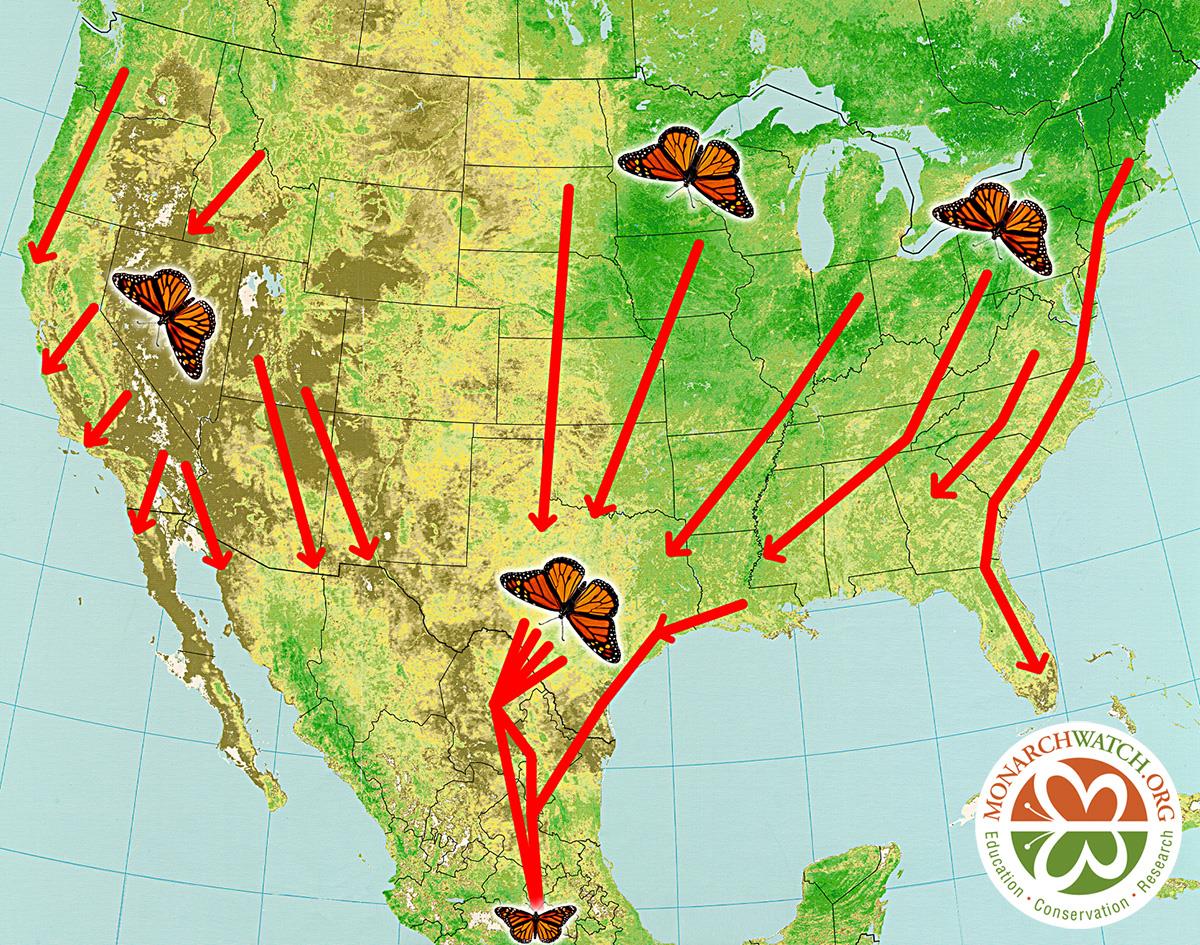
The Fall Migration (September - November). This figure is an interpretation of the routes taken by monarchs during the Fall migration. The pathways are based on tag recoveries and observations of migrating monarchs.
June 25, 1956: Rotary Club of Youngstown began three years of discussion and debate on the future of the Rotary Home for Crippled Children, at 420 Werner Street. Issues included mounting repair and overhead costs, underutilization due to the success of the Polio vaccines and other prevention programs, and an offer from Youngstown Hospital Association to purchase both houses on Werner Street. The Club approved the hospital's offer on June 12, 1959, for the sum of $24,700.